

TCPH recognizes that reproductive health services are essential in improving the well-being of women and their families. Access to quality family planning and maternal, newborn, and child health (MNCH) services are important in achieving development goals for health, poverty reduction, gender equality, and environmental sustainability.
Our goal is to reduce cervical cancer-related deaths by advocating for early diagnosis, timely treatment of precancerous lesions, and, when necessary, facilitating access to advanced care.
In maternal health, our research focuses on initiatives such as Birth Companions, Networks of Care, and Group Antenatal Care. These efforts aim to inform best practices and enhance the quality of services provided to pregnant women and their children.
In Tanzania, 40% of all women aged 15-49 years have experienced physical violence, while 17% have experienced sexual violence. Of women aged 15-49, 44% have experienced either physical or sexual violence by an intimate partner. Spousal violence prevalence is highest in rural areas, averaging 52% while the prevalence in urban areas averages 45%. Almost 30% of girls experience sexual violence before the age of 18.
Sexual Gender Based Violence (SGBV) research and interventions at TCPH seeks to uncover the links between individual and community factors associated with SGBV and theoretical models underlying health-seeking for SGBV services and provide evidence to scale up quality SBGV prevention and response interventions. TCPH also promotes school-based interventions targeting to build knowledge and empower young boys and girls on their rights to be protected from sexual violence.


Key Populations (female sex workers [FSW] men having sex with men [MSM] and Transgender persons [TG]) have high HIV rates and contribute significantly to new infections. In Tanzania, FSWs have almost five times the HIV prevalence as women from the general population, while MSM have about four times that of the national prevalence.
KP also experience high rates of sexual and gender-based violence, societal stigma, and discrimination, all of which increase vulnerabilities to HIV/STI and mental health issues.
Our research and projects provide evidence of the cost-effective interventions to scale up HIV/STI services to key populations.
Adolescence marks a period of significant physical and emotional changes, often accompanied by increased vulnerability to human rights violations. Many young girls face challenges such as forced sexual, early marriage, female genital mutilation, and harmful cultural practices, exposing them to risks including unintended pregnancies, unsafe abortions, sexually transmitted infections (STIs) like HIV, and complications during childbirth.
In Tanzania, young people account for the majority of new HIV infections, and approximately one in four girls under the age of 19 has begun childbirth. Our programs aim to generate evidence that deepens understanding of the factors driving unintended pregnancies and HIV vulnerabilities among adolescents and youth. Additionally, we strive to scale up evidence-based sexual and reproductive health (SRH) approaches to enhance health outcomes wherever possible.


We recognize the transformative power of digital health and information and communication technology in improving healthcare delivery. Our goals focus on leveraging innovative digital tools and ICT solutions to enhance health systems, improve access to care, and strengthen data-driven decision-making.
We strive to integrate these technologies into public health interventions to facilitate real-time monitoring, improve health outcomes, and bridge gaps in healthcare access. By fostering partnerships and building capacity, we aim to ensure sustainable and scalable digital health solutions that address the unique needs of communities and promote equitable healthcare access.
Our goals in implementing Water, Sanitation, and Hygiene (WASH) initiatives are focused on improving access to clean water, promoting proper sanitation, and fostering hygiene practices to enhance health outcomes in communities across Tanzania. We aim to increase access to safe water sources, eliminate open defecation, and promote the adoption of improved sanitation facilities.
Additionally, we prioritize community education on the importance of handwashing and personal hygiene while working with local stakeholders to implement sustainable, culturally appropriate WASH interventions. By integrating WASH practices with other health programs and continuously monitoring and evaluating our efforts, we seek to improve public health, reduce disease transmission, and contribute to the overall well-being and resilience of the communities we serve.


TCPH is committed to addressing neglected tropical diseases (NTDs) that disproportionately affect vulnerable populations in Tanzania. Our goals focus on raising awareness, improving access to diagnosis and treatment, and implementing preventive measures to reduce the burden of these diseases. We work to enhance local healthcare capacities, promote community-based interventions, and collaborate with national and international partners to scale up efforts in combating NTDs.
Through targeted research, advocacy, and integrated approaches that link NTD control with other public health programs, we aim to eliminate or reduce the impact of diseases such as lymphatic filariasis, schistosomiasis, and trachoma. By addressing the root causes and strengthening health systems, TCPH strives to contribute to the global goal of reducing the prevalence and impact of neglected tropical diseases.
Our projects and interventions aim to combating infectious diseases that continue to pose significant public health challenges in Tanzania. Our goals are to strengthen surveillance systems, enhance early detection, and improve access to treatment and prevention services for infectious diseases such as HIV/AIDS, tuberculosis, malaria, and emerging infectious diseases.
We aim to reduce transmission rates through community education, vaccination campaigns, and promoting safe health practices. We collaborate with local health authorities, international partners, and communities to ensure a coordinated response to outbreaks and improve the overall management of infectious diseases. TCPH also prioritizes research and capacity-building efforts to enhance the effectiveness of interventions, ultimately contributing to the reduction of disease burden and the improvement of public health outcomes.


We are dedicated to promoting positive health behaviors through Social and Behavioral Change Communication (SBCC) strategies. Our goals focus on raising awareness, influencing attitudes, and motivating communities to adopt healthy behaviors that improve overall well-being. We use evidence-based communication approaches to address key health challenges such as maternal and child health, HIV prevention, sanitation practices, and the management of non-communicable diseases.
Through community engagement, media campaigns, and tailored interventions, we seek to empower individuals with the knowledge and skills needed to make informed health decisions. By fostering collaboration with local leaders, health workers, and stakeholders, TCPH aims to create lasting behavioral changes that lead to improved health outcomes and stronger, more resilient communities.
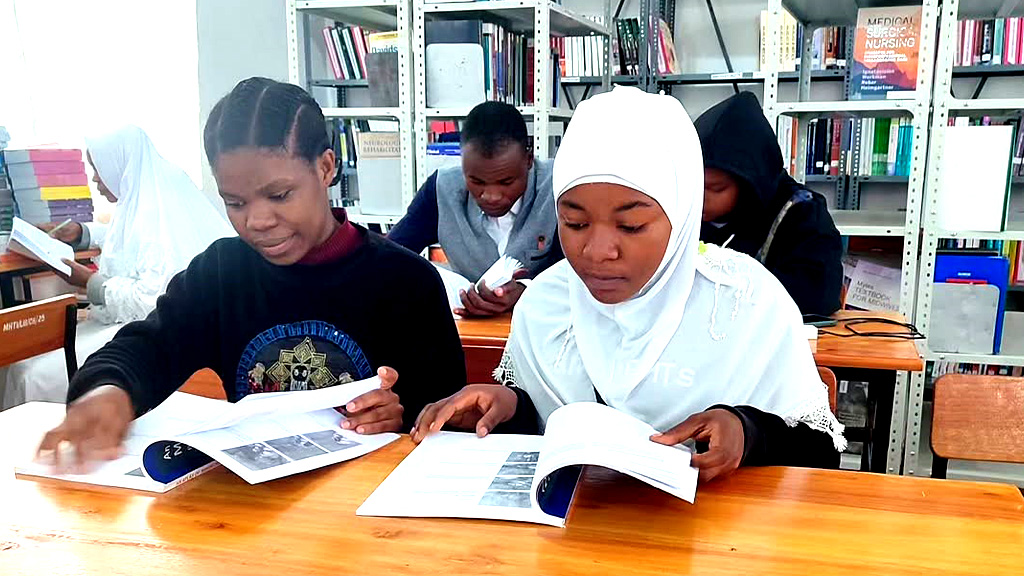
We are committed to enhancing the quality of pre-service education by supporting health training institutions to better prepare future healthcare professionals. Our goals include strengthening curricula and ensuring that training programs are aligned with current health needs and evidence-based practices. We work closely with academic institutions to improve teaching methodologies, integrate practical experience, and foster the development of skills that are essential for high-quality healthcare delivery.
TCPH aims to equip students with the knowledge, competencies, and values needed to address pressing public health challenges and contribute effectively to the healthcare system.

Our projects and research promote sustainable practices that reduce environmental harm, enhance resilience to climate-related health risks, and support the adaptation of communities to changing environmental conditions. We aim to raise awareness about the link between climate change and public health, advocate for policies that promote environmental sustainability, and implement programs that reduce carbon footprints, improve waste management, and protect natural resources.
Through collaboration with local communities, governments, and global partners, TCPH seeks to mitigate the adverse health effects of climate change and contribute to building healthier, more sustainable environments for current and future generations.
Copyright © Tanzania Center for Public Health | By Mtech Mavens